
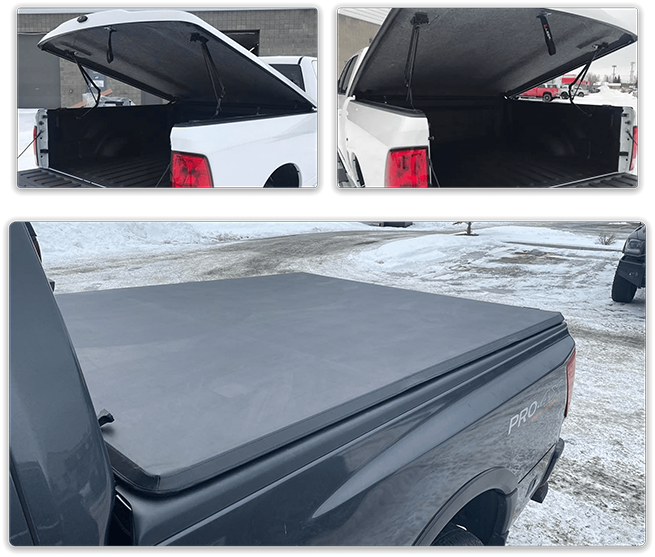
Tonneau Covers That Don’t Quit at 40 Below
Most tonneau covers are designed for a mild climate and hope for the best. Alaska covers are built around the opposite assumption — that your bed cover has to keep sealing through ice, snow load, and temperature swings that would crack a lesser vinyl or seize a lesser latch. Hard folding, soft roll-up, retractable, low profile, and hinged styles, fitted to your exact truck and bed length.
Alaska started from a pattern we kept seeing: tonneau covers rated for “all-weather” that turned brittle in a hard freeze, or latches that seized shut after a week of sub-zero mornings. Standard vinyl loses flexibility below about 20°F — right around when most northern-climate drivers actually need their cover to work. Every Alaska cover uses a cold-flex compound rated well below freezing, hardware sized to operate with gloves on, and a seal system that’s tested for temperature-cycle durability, not just a one-time rain test in a warehouse.
That doesn’t mean we cut corners on fitment. Every cover is still built and listed against a specific truck, model year range, and bed length — a cover that’s a quarter-inch off on rail width won’t seal right no matter what the vinyl is rated for. Confirm your bed length on your door jamb sticker before ordering, and check the fitment notes on each product page — several current-generation trucks (RamBox beds, MultiPro/MultiFlex tailgates, CarbonPro composite beds) have real mounting exclusions worth knowing about before you buy. If you’re not sure which style fits your driving pattern, the breakdown further down this page walks through how each one performs once temperatures drop.
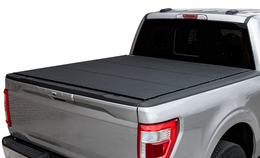
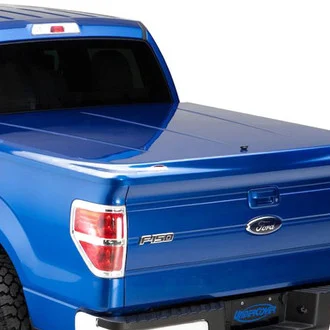
Fitted for the Trucks on the Road Up Here
Find your make and bed length. Check the fitment notes on RamBox, MultiPro, and CarbonPro beds before ordering.
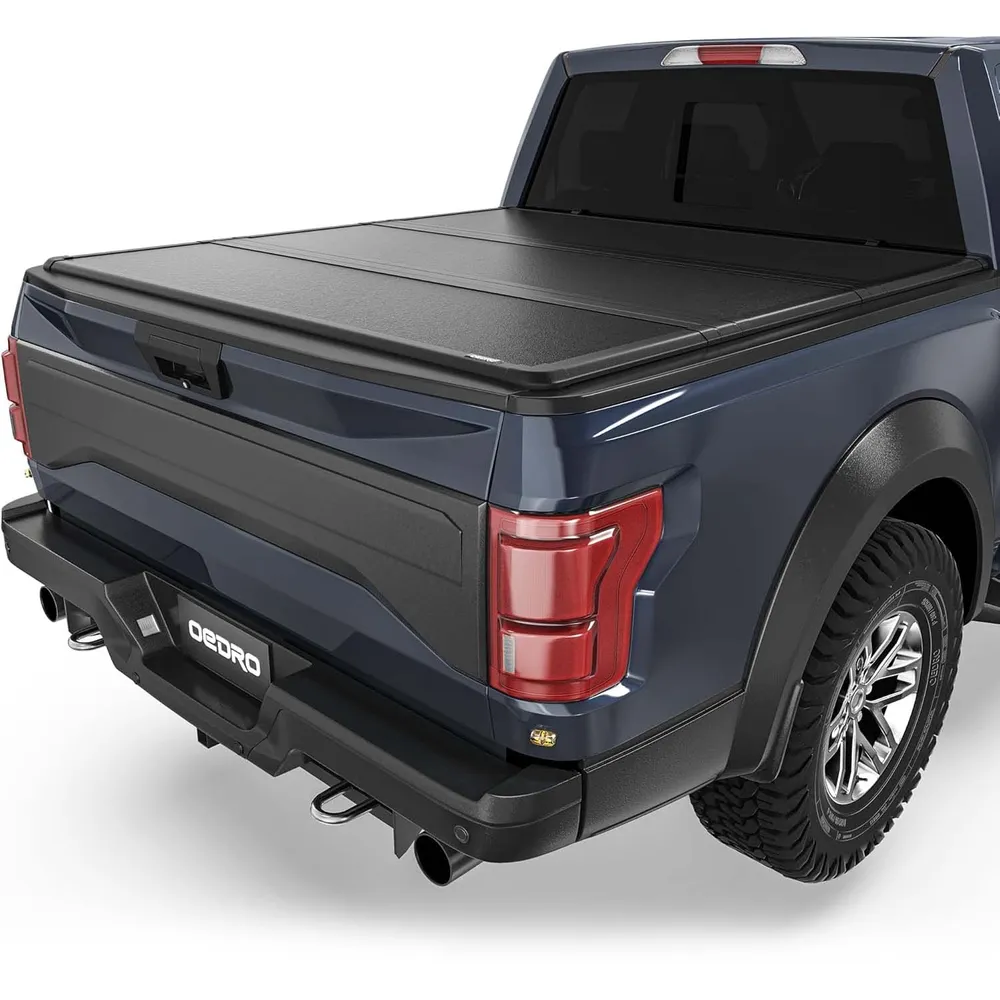
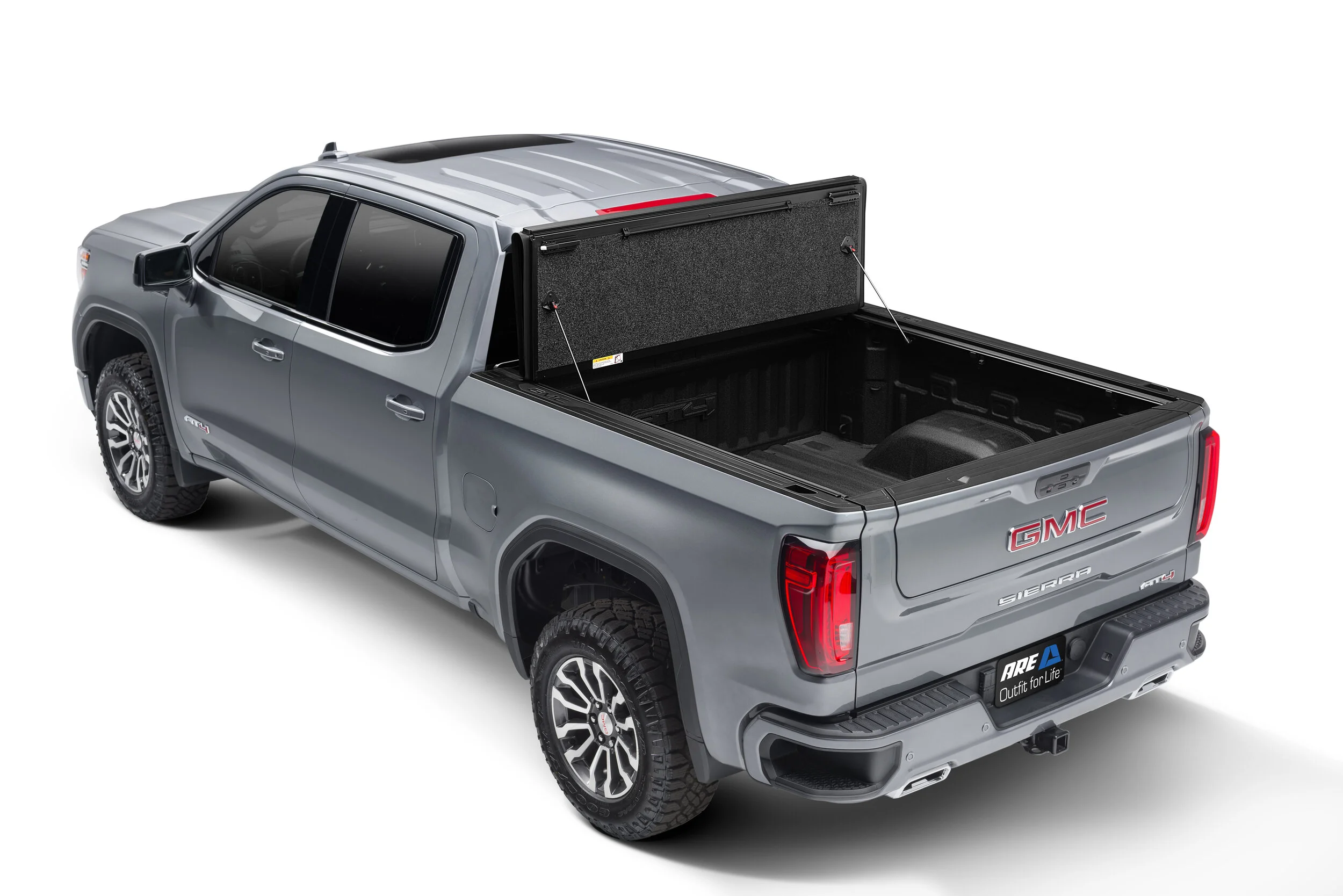
Hard Tri-Fold — F-150 (5.5 ft)
Cold-flex sealed aluminum-frame panels for daily hauling through winter.
Shop Now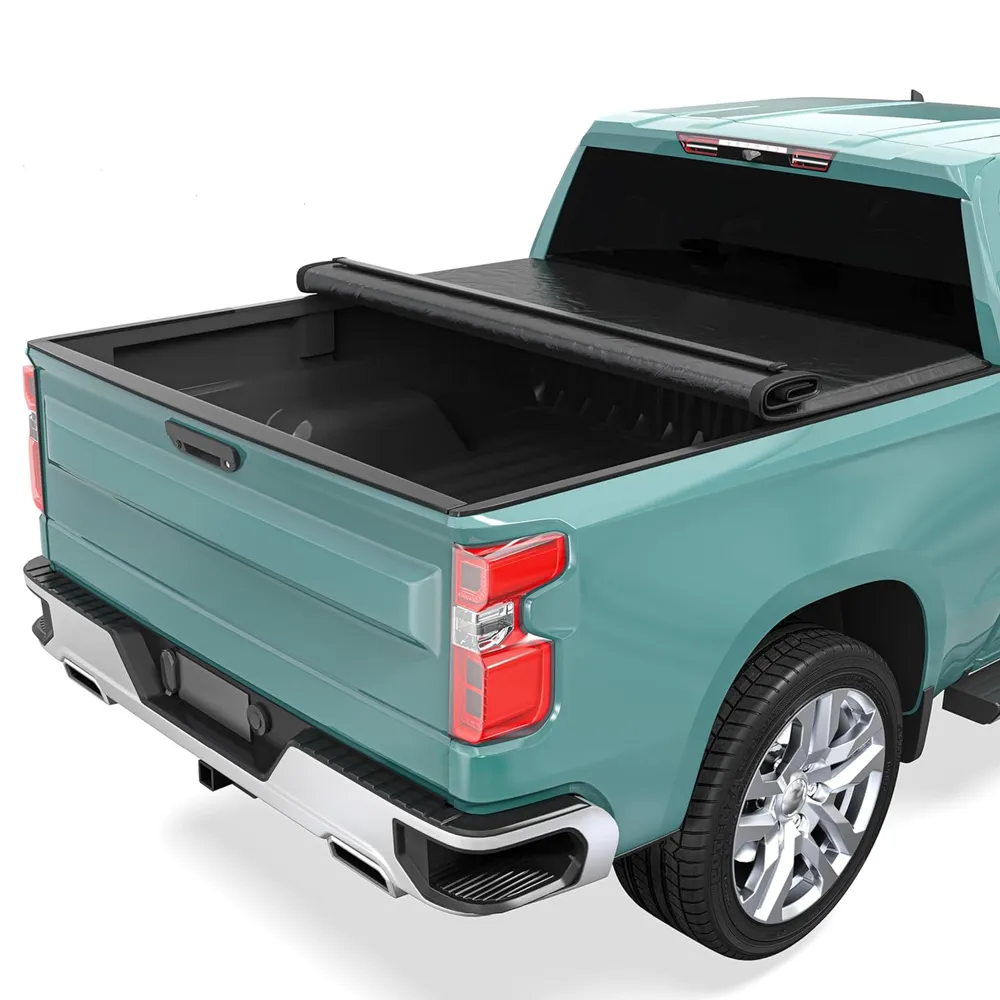
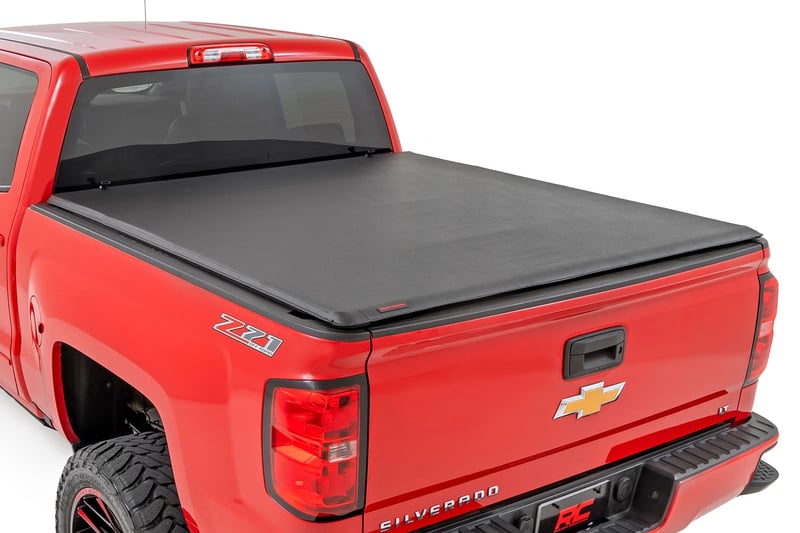
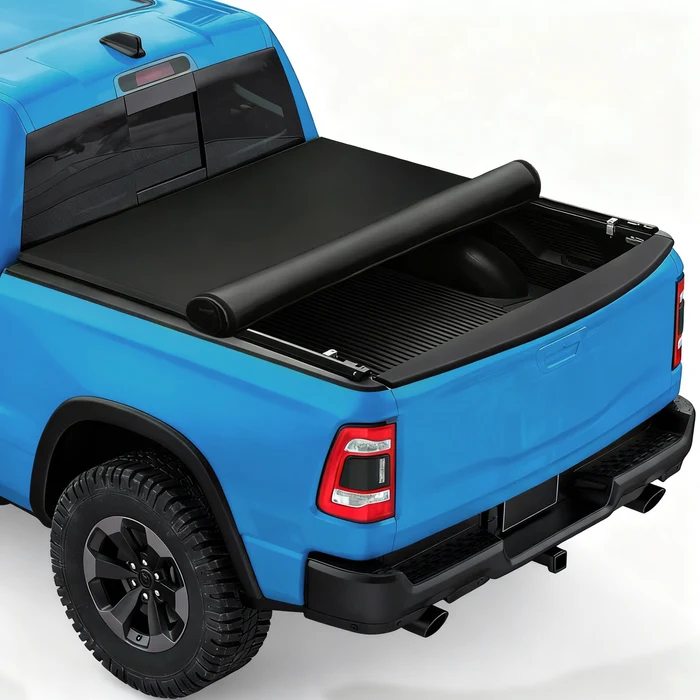
Soft Roll-Up — Silverado (5.8 ft)
Cold-rated marine vinyl that stays flexible well below freezing.
Shop Now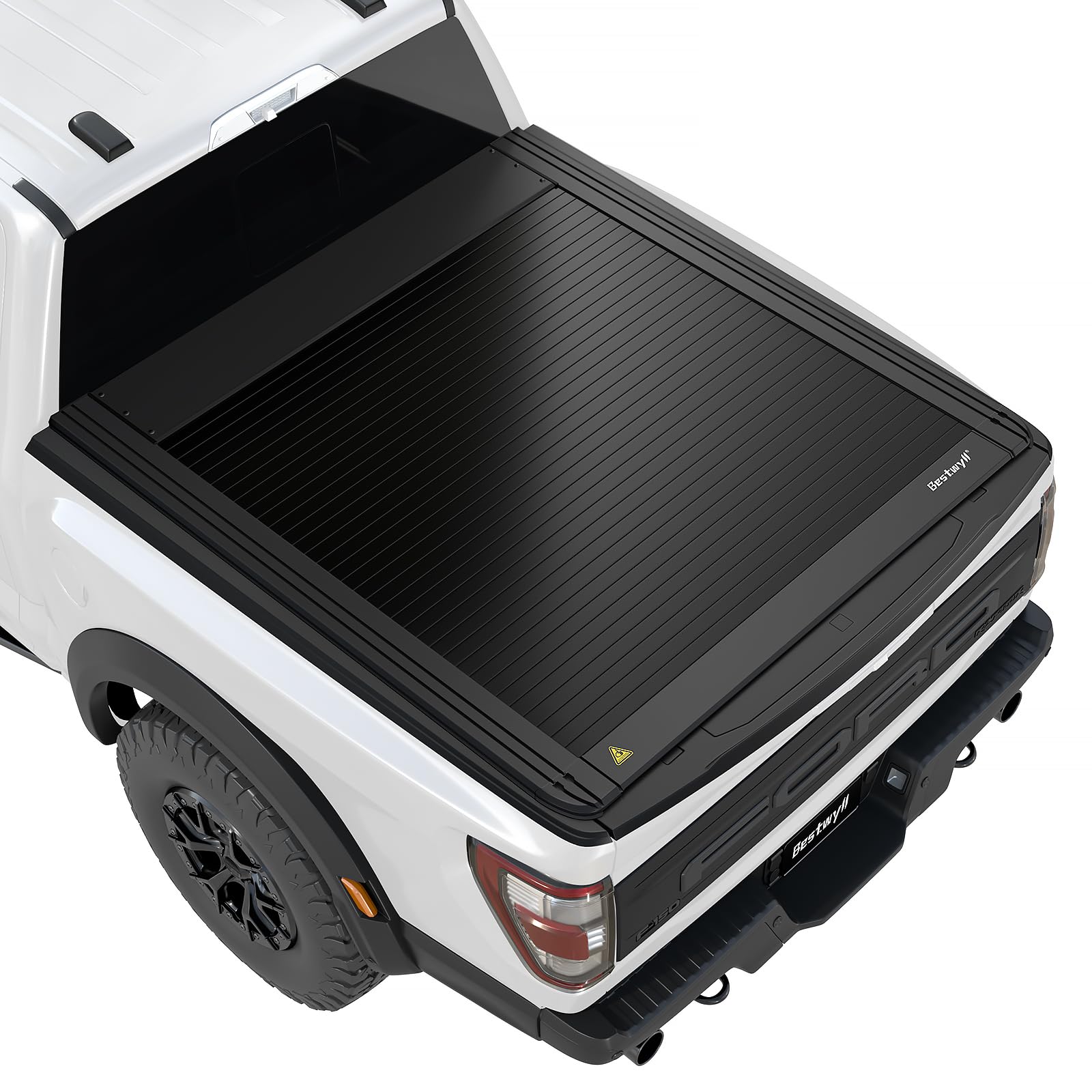
Retractable — F-150 (5.5 ft)
Aluminum slats that keep sliding smoothly even when it’s frozen out.
Shop Now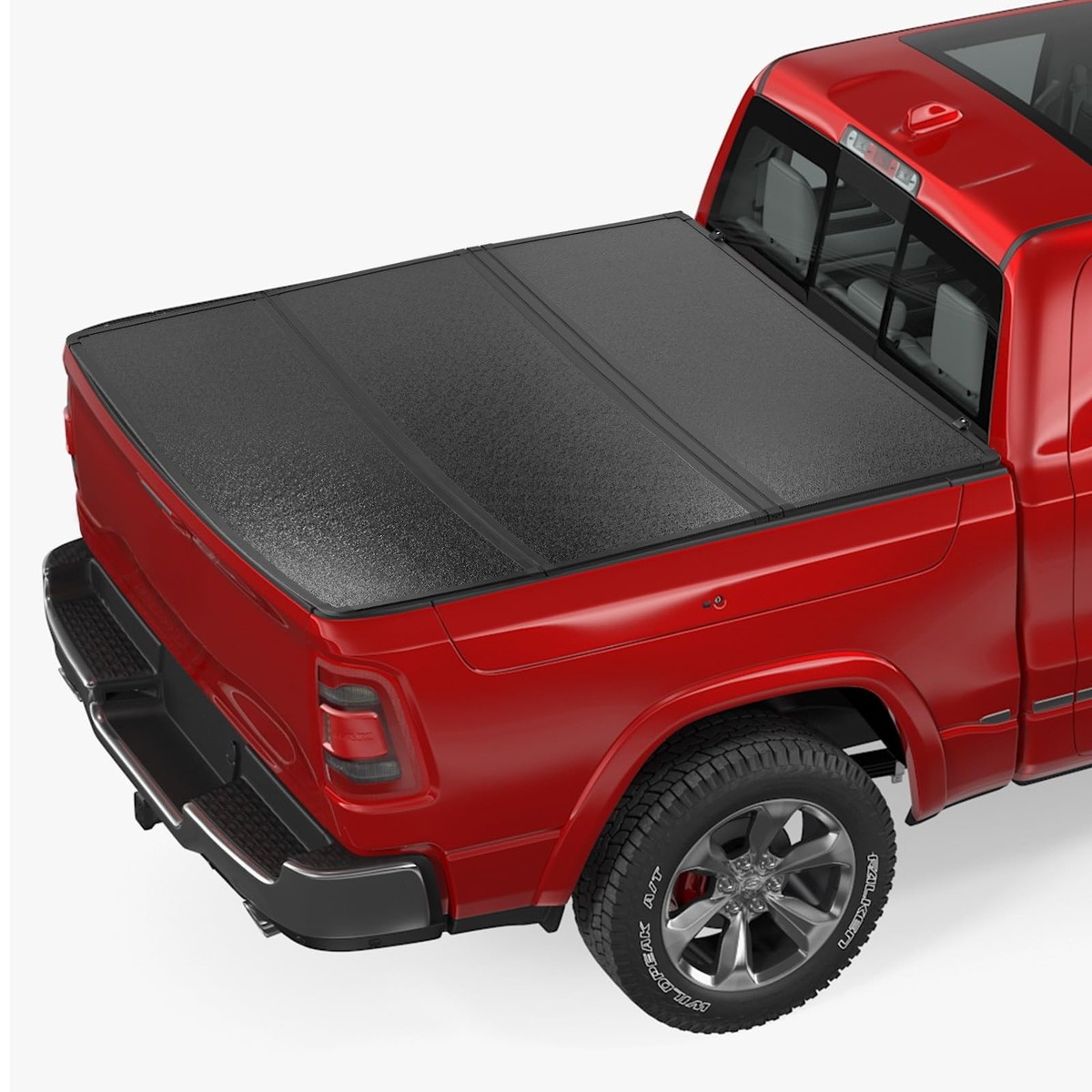
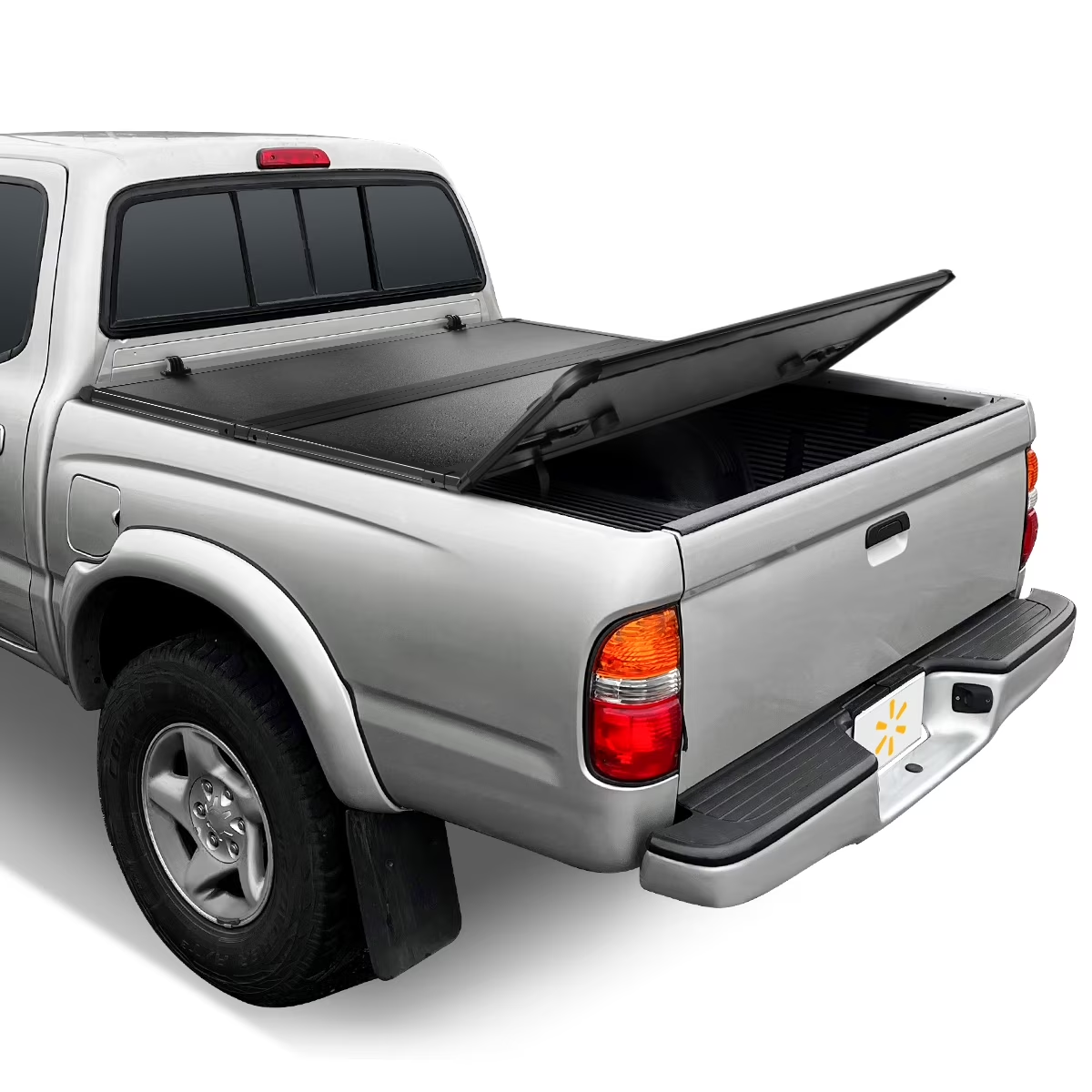
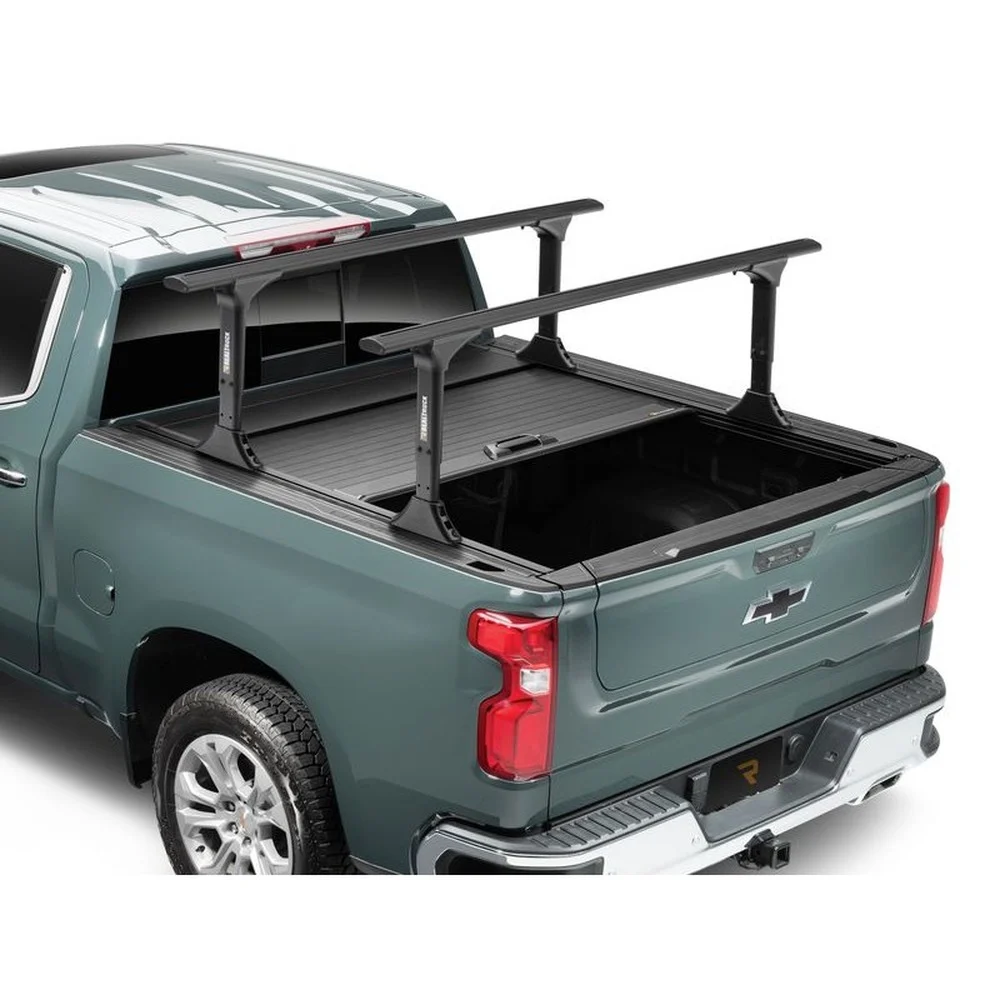
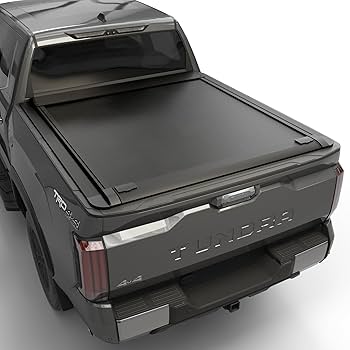
Retractable — Tundra (6.5 ft)
Full-access canister design that keeps working through winter grime.
Shop Now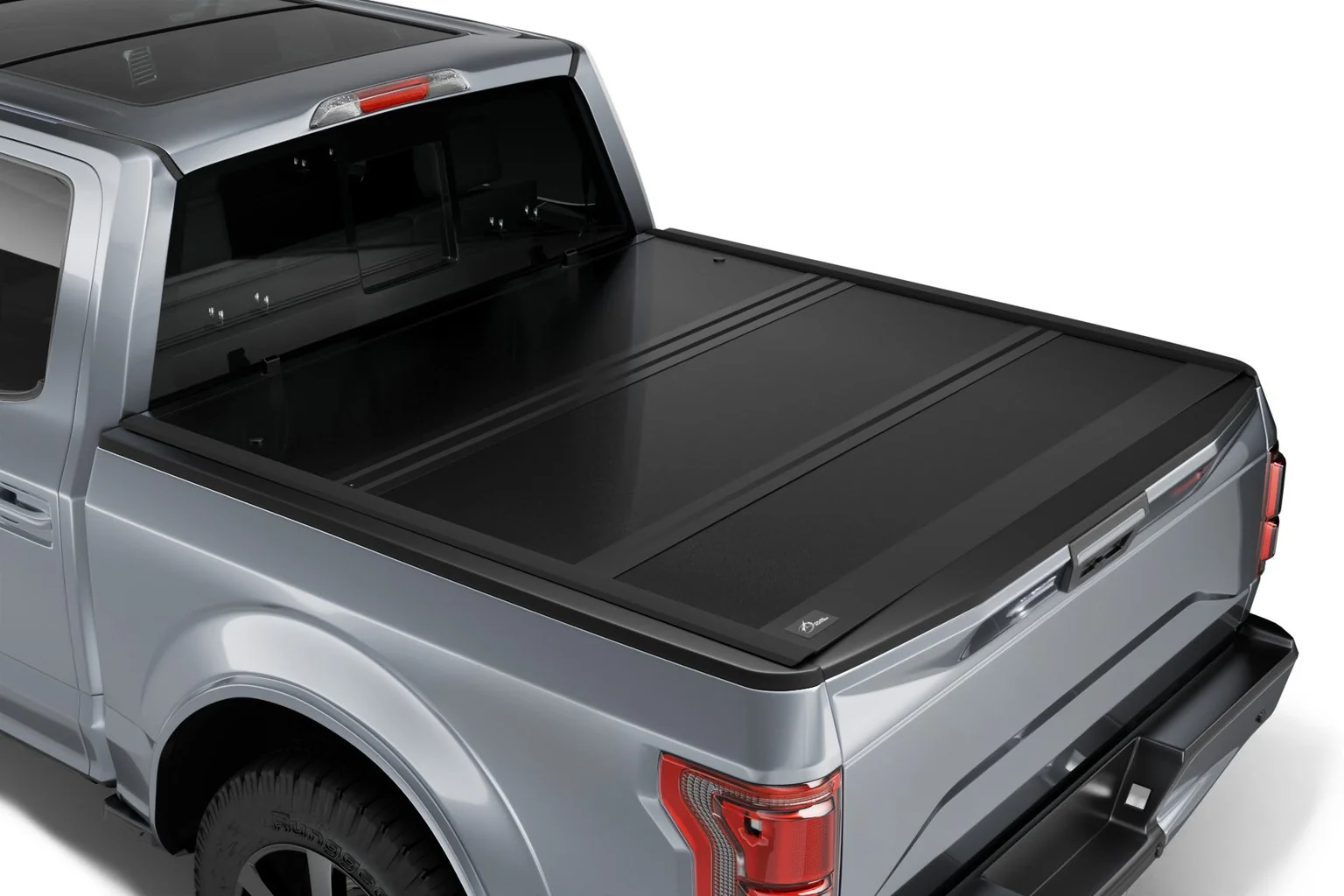
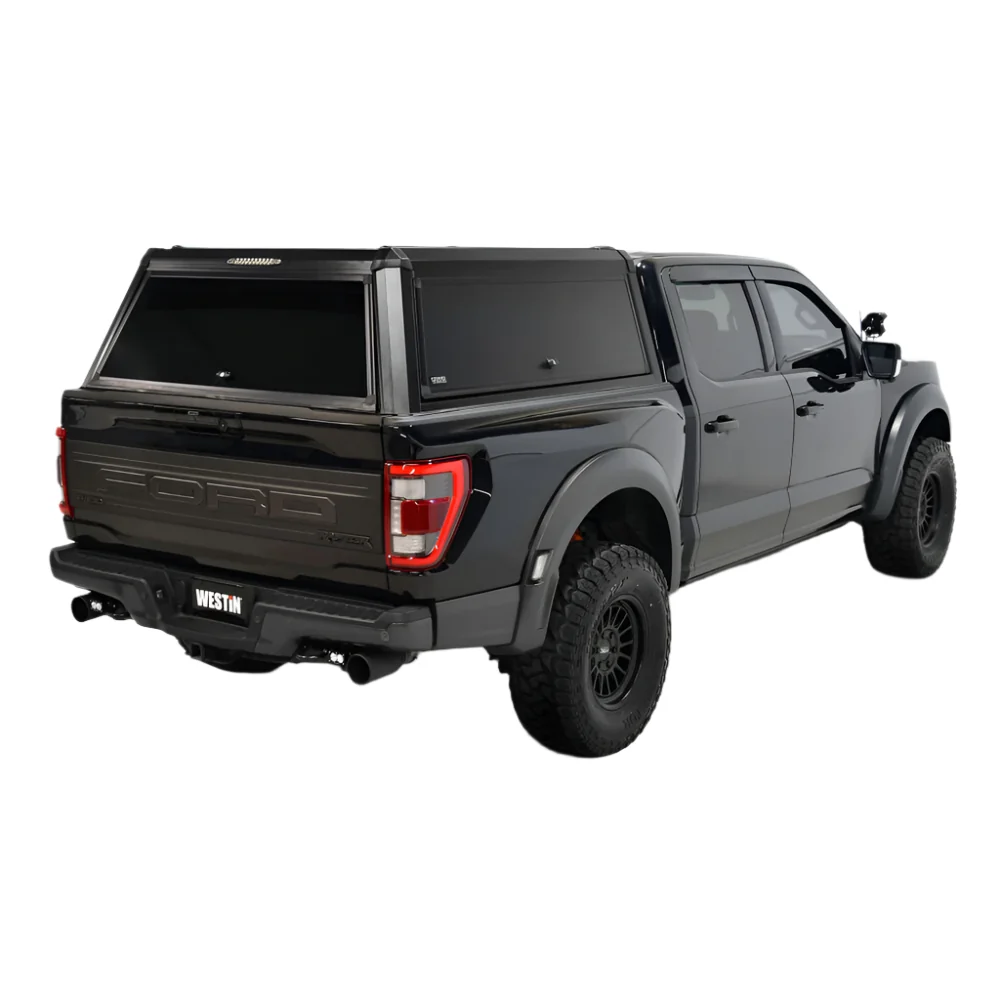
Which Style Handles Your Winter Best?
Every style uses the same cold-flex seal standard — the tradeoffs are about security, weight, and how fast you need the bed open.
Hard Folding — Max Lockdown
Rigid aluminum-framed panels that stay flat under a snow load and lock down at the tailgate and side rails. The pick if you’re hauling equipment through the winter that you can’t afford to lose, or if drifted snow regularly piles on the closed cover.
Soft Roll-Up — Lightest, Fastest
Cold-flex marine vinyl that rolls back in seconds — even after sitting overnight in a hard freeze. The lightest style we carry, and the easiest to pull off entirely for a longer haul.
Retractable — Full Access, No Removal
Aluminum slats slide into a sealed canister behind the cab. You get hard-cover security with roll-up convenience, and the slide mechanism is built to keep working when ice and road salt get into everything else.
Low Profile — Cleanest Line
Sits flush below the bed rail for a factory-integrated look and less wind resistance driving into a headwind. A strong pick if you care about the truck’s silhouette as much as the cover’s performance.
Hinged — Fewest Moving Parts
A single panel on gas struts, opening like a trunk lid. Less hardware to seize up in cold weather than a multi-panel folding cover, with the same load-rated top.
Check Fitment Exclusions First
Before comparing styles, confirm your bed length and check for exclusions — RamBox beds, MultiPro/MultiFlex tailgates, and CarbonPro composite beds all have real mounting limitations on certain cover styles. Every Alaska product page lists these upfront, right in the specifications table, so you’re not guessing after the order ships.
What “Cold-Flex” Actually Means
The materials difference between a cover rated for mild climates and one built to work through a real winter.
Cold-Flex Vinyl
Standard marine vinyl starts stiffening around 20°F and can crease or crack when folded cold. Our cold-flex compound stays pliable well below zero, so a roll-up or tri-fold cover still opens smoothly on the coldest morning of the year.
Hardware Rated for Ice
Zinc-coated and stainless hardware resists the corrosion that road salt and slush accelerate, and latch mechanisms are sized to operate with gloves on — no fine-motor fiddling at 6am in a parking lot.
Seal Compression Under Temperature Swings
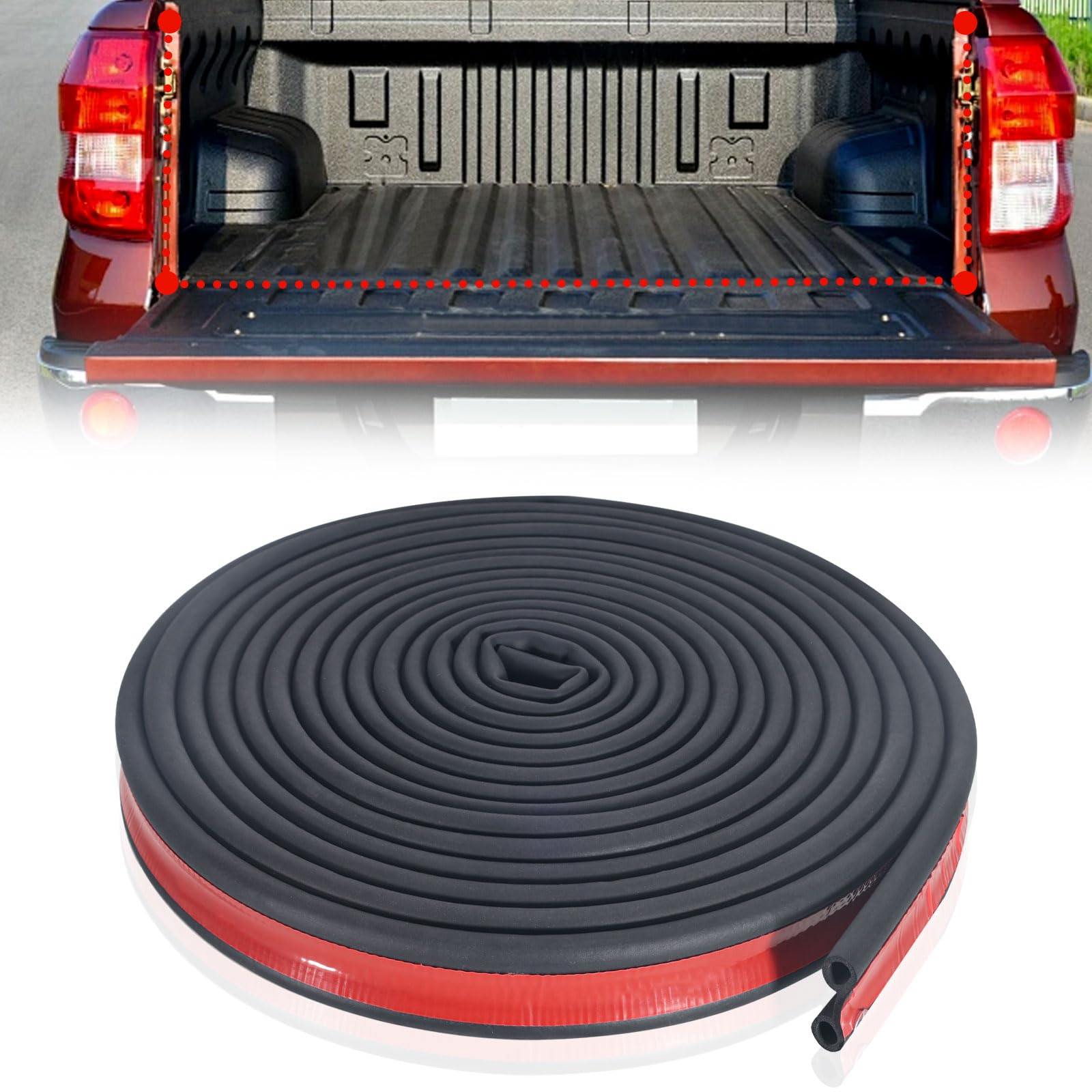
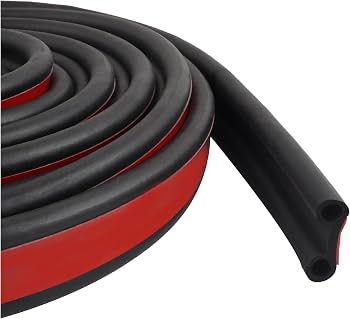
EPDM rubber seals are chosen specifically for how they hold compression through repeated freeze-thaw cycles, not just a single cold-soak test — the same seal spec used in exterior automotive weatherstripping built for northern climates.
Panels Rated for Snow Load
Hard, low profile, and hinged panels are rated to support distributed static weight — including a realistic overnight snow accumulation — without sagging or cracking at the hinge points. That rating is tested at temperature, not just at room temperature in a lab, since cold-soaked aluminum and composite panels behave differently under load than warm ones.
Before You Order
The questions we hear most from drivers ordering their first Alaska cover.
Installing a Cover in Real Winter Conditions
The mounting process is the same as any tonneau cover — but a few extra steps matter when you’re doing it outside in the cold instead of a heated shop.
1. Warm the Vinyl First (Soft Covers)
If you’re installing a soft roll-up or tri-fold cover and it’s been sitting in a cold vehicle or garage below freezing, give the vinyl 15-20 minutes near a heat source before unrolling it. Even cold-flex vinyl handles a first unfold better with a little warmth — this only matters for the initial install, not day-to-day use.
2. Clear Ice and Snow from the Rail
Wipe the bed rail completely dry before mounting clamps — any ice film under a clamp will melt and refreeze, throwing off your torque and seal compression later. A dry rail is worth the extra five minutes.
3. Torque to Spec, Not by Feel
Cold hands tend to either over-tighten or under-tighten hardware. Use the torque spec in the included guide rather than going by feel — the zinc-coated hardware is rated for a specific range, and cold weather doesn’t change that number.
4. Test the Seal Before the First Storm
Close the cover and run a hand along the rail and tailgate seal to confirm even compression with no gaps. A gap that’s fine in October can ice over and force itself wider through a winter freeze-thaw cycle, so catching it during install saves a headache later.
Browse the Full Alaska Lineup
Every cover and accessory we carry, organized by style. Find your exact truck below.
Hard Folding Covers
Soft Roll-Up Covers
Retractable Covers
Low Profile Covers
Hinged Covers
Company
Find the Cover That Handles Your Winter
Browse the full Alaska lineup by truck make, bed length, and cover style — every one of them built to keep sealing when it’s cold enough to matter.
Shop Alaska Collection